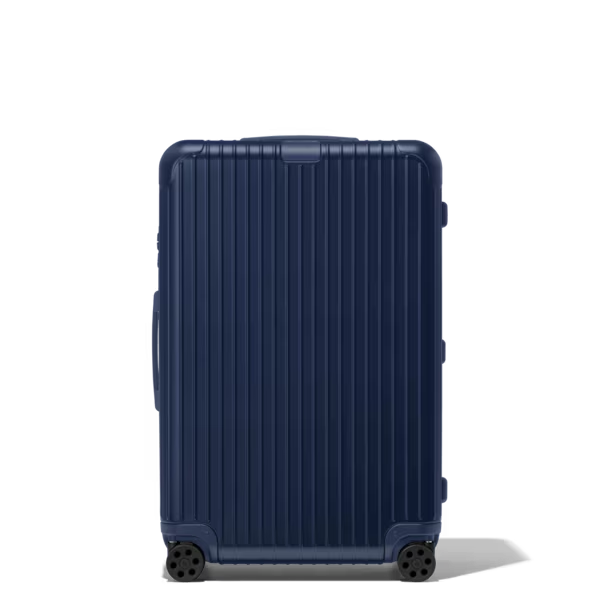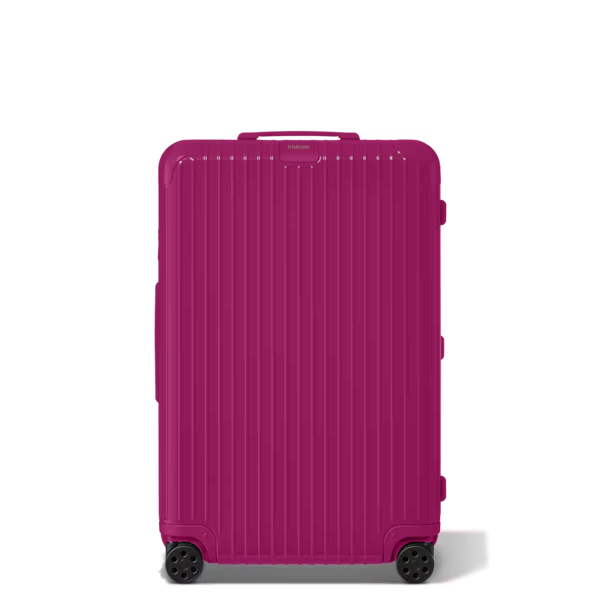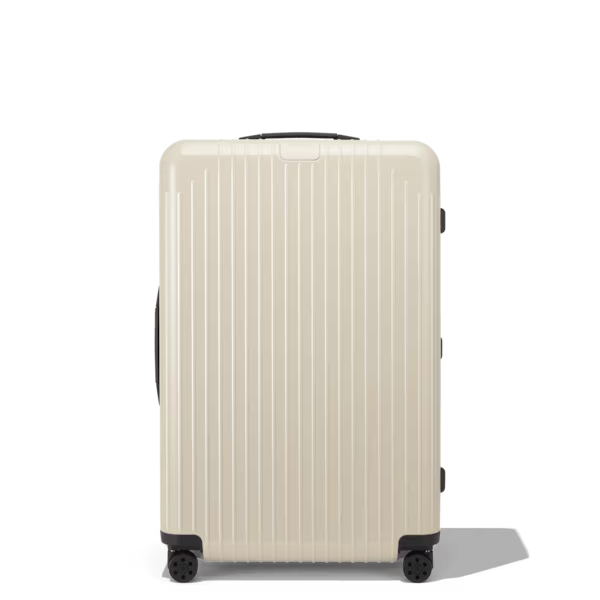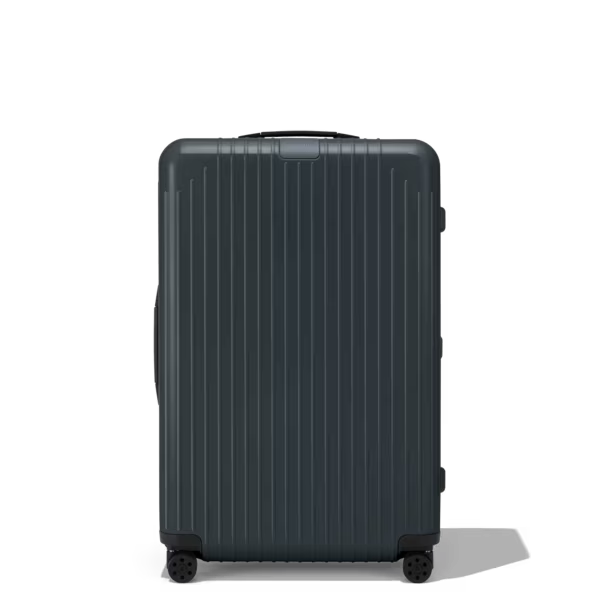


RIMOWA Essential Check-In L White Review | Large Polycarbonate Luggage
First Impressions: A Bold Statement in White
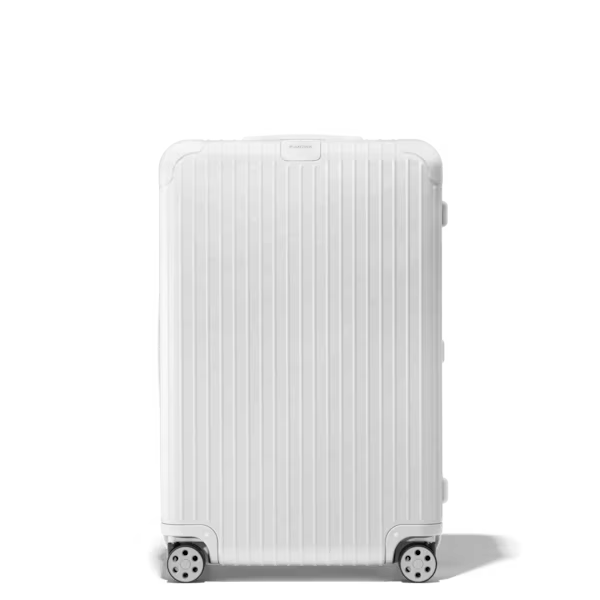
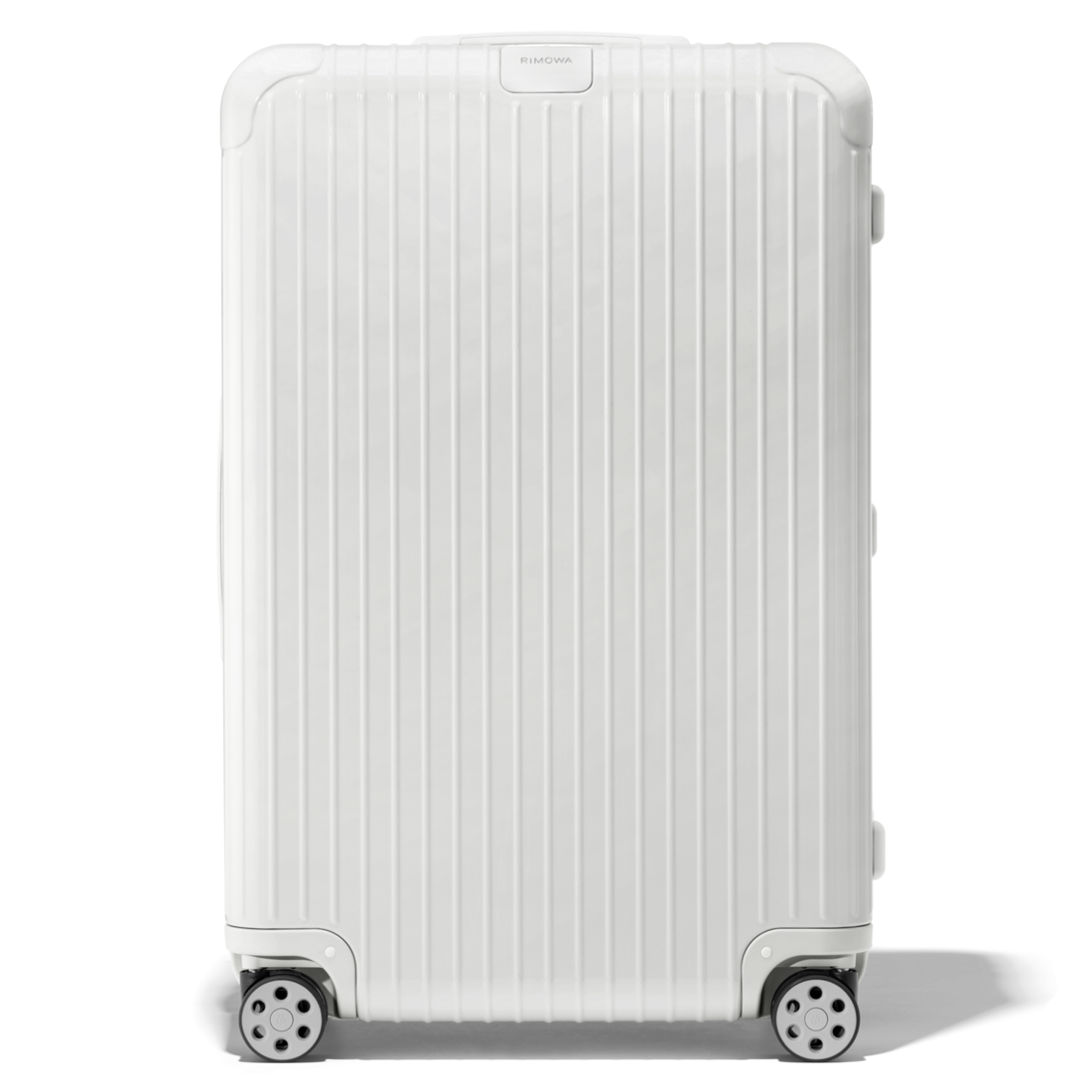
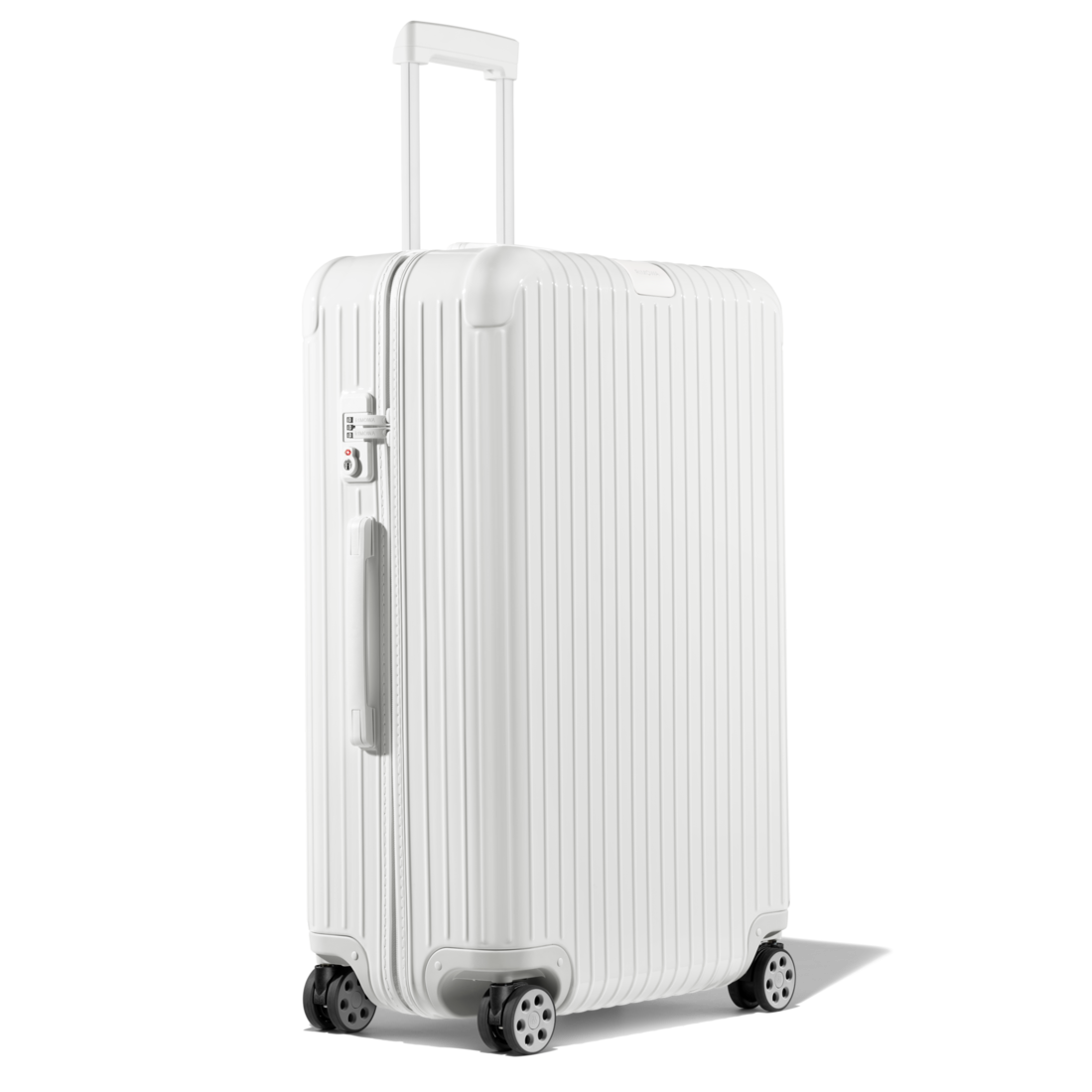
There is something undeniably arresting about a white RIMOWA gliding across polished airport floors. The Essential Check-In L in White defies conventional wisdom — the idea that checked luggage should be dark to hide scuffs — and instead embraces a purity of design that makes an unmistakable statement about its owner. At HK$9,400, this large polycarbonate suitcase stakes a claim as the centrepiece of a considered travel wardrobe, prioritising aesthetics and material intelligence over tried-and-tested practicality.
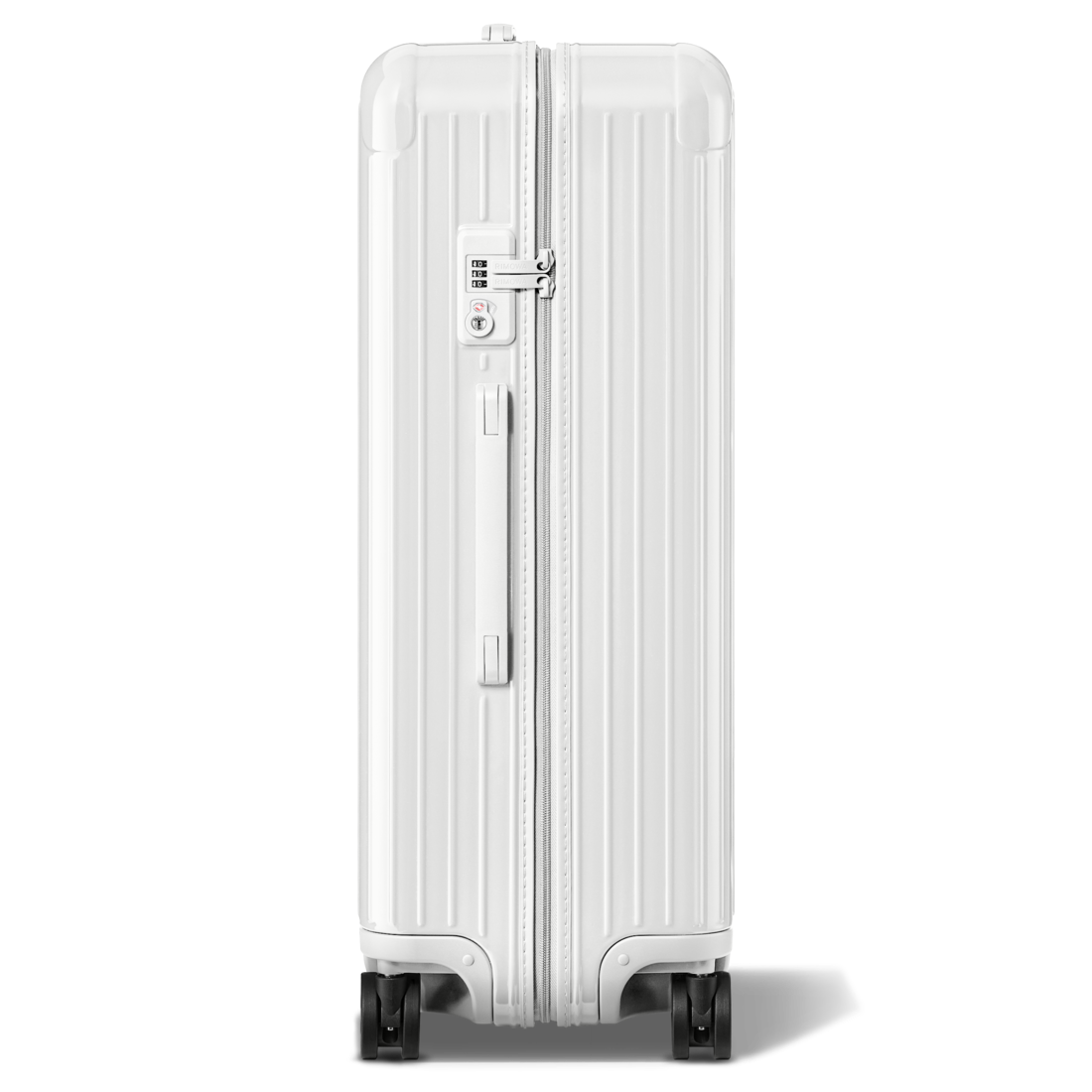
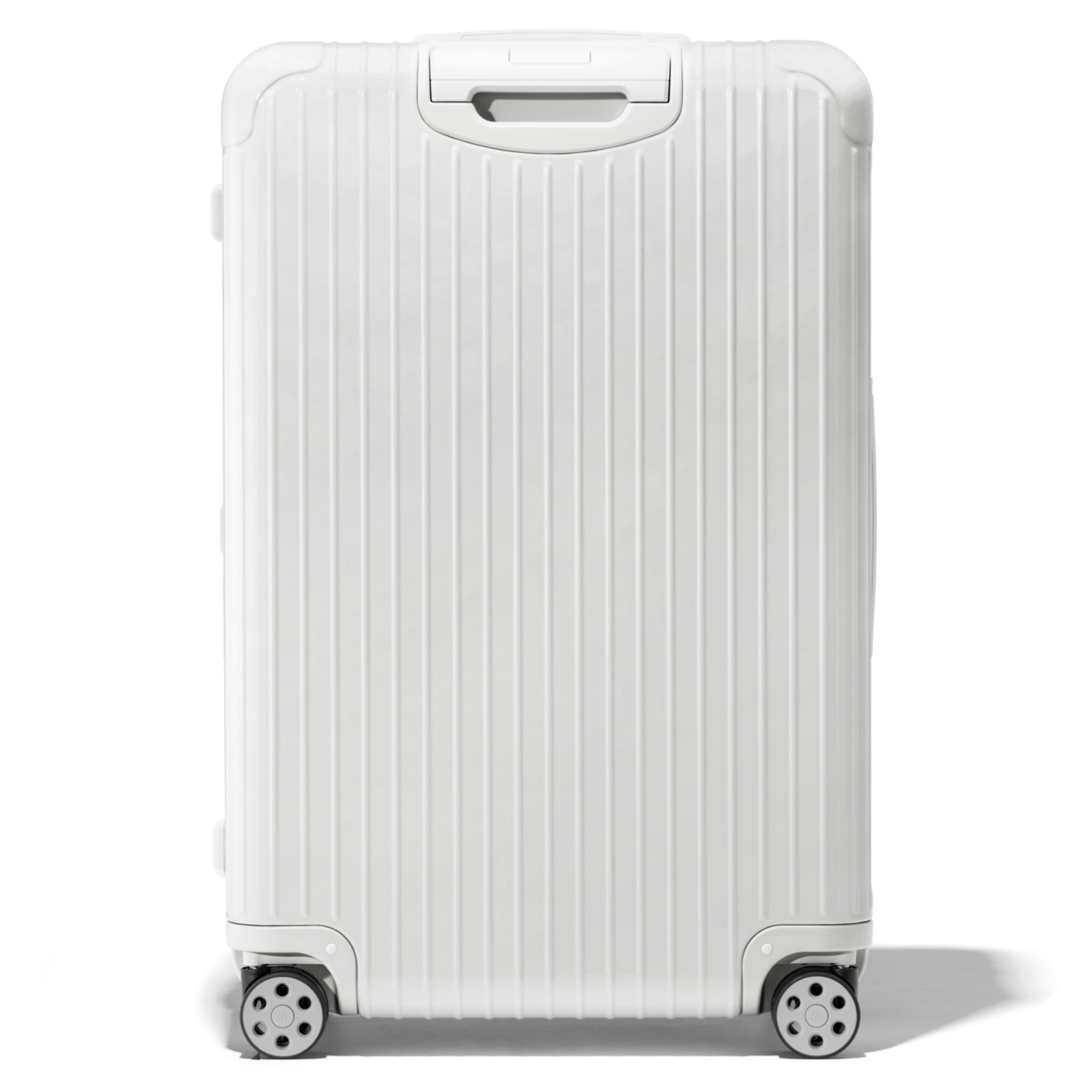
White polycarbonate presents a unique proposition within the RIMOWA Essential line-up. It catches natural and artificial light in ways that darker colours cannot, highlighting the precision of the grooved shell and the subtle sheen of the proprietary polycarbonate formulation. On a crowded luggage carousel, a white RIMOWA Check-In L is visible from fifty metres away — a practical benefit that belies the colour's reputation for being purely cosmetic.
Why Polycarbonate Excels for Checked Luggage
The Check-In L's size category — 81 litres of packing volume — makes material choice especially consequential. A fully loaded aluminium case of this size can easily crest 6 kg empty, eating into airline weight allowances before a single garment goes in. The Essential version weighs significantly less thanks to its polycarbonate construction, and that weight saving directly translates into more leeway for packing. For international travellers facing strict 23 kg or 32 kg checked-bag limits, gaining back a kilo or two of structural weight is a genuine competitive advantage.
Checked luggage also endures far more brutal handling than carry-ons. Conveyor belts, luggage carts, and the occasional rain-soaked tarmac demand resilience. Polycarbonate's ability to flex under impact — absorbing a blow and springing back, where aluminium would take a permanent dent — makes it an arguably superior material for the hold. The white finish is integrated into the polycarbonate itself, so while surface-level scuffs may appear over time, they do not expose a contrasting underlayer in the way painted metal would.
🛒 Shop Premium RIMOWA Luggage
Browse our complete collection of authentic RIMOWA suitcases — Original aluminium, Essential polycarbonate, and Hybrid series.
Shop Now or Ask on Telegram